

Kitchen Renovation 101: What to Know Before You Start Tearing Out Cabinets
A kitchen renovation is one of the most exciting upgrades you can make to your home. It can also be one of the most overwhelming. Between budgeting, planning, contractors, and living through weeks of construction, there’s a lot to understand before the first cabinet comes down.
The good news: most renovation headaches can be avoided with the right preparation. This guide walks through the big-picture decisions you should make before starting a kitchen remodel so you can move forward with confidence—and realistic expectations.
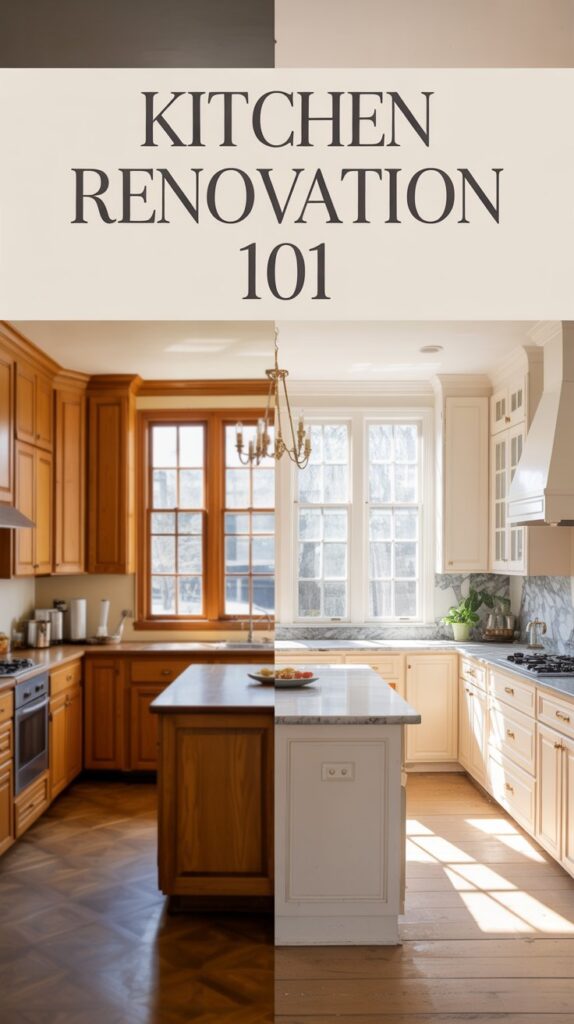
Is It Time to Renovate Your Kitchen?
Not every kitchen needs a full renovation. Sometimes a refresh—like paint, new hardware, or updated lighting—can transform the space for a fraction of the cost.
A full renovation may be worth considering if:
- Your layout doesn’t function well for cooking or entertaining
- Cabinets are worn, damaged, or outdated
- Appliances are failing or poorly placed
- Storage is inadequate
- The style feels dated compared to the rest of the home
- You’re planning to stay in the home long-term
If your kitchen checks several of these boxes, a renovation can dramatically improve both your daily life and your home’s value.
Renovation vs. Kitchen Refresh
Understanding the difference between a refresh and a renovation helps you set expectations early.
Kitchen Refresh
Typically includes cosmetic upgrades:
- Painting cabinets
- New hardware
- Updated lighting
- New faucet or sink
- Backsplash replacement
- New bar stools or decor
Kitchen Renovation
A full renovation usually involves:
- Replacing cabinets
- New countertops
- Appliance upgrades
- Plumbing or electrical changes
- Layout adjustments
- Flooring replacement
- Structural updates
A refresh can often be completed in a few days or weeks, while a full renovation may take several months.
The Most Common Kitchen Renovation Goals
Before meeting with designers or contractors, identify your top priorities.
Most homeowners renovate kitchens to improve:
Function
A better layout can make cooking easier, reduce congestion, and create smarter work zones.
Storage
Custom cabinetry, pull-out shelves, and pantry upgrades can dramatically increase usable storage.
Lighting
Layered lighting—including task, ambient, and accent lighting—makes kitchens both practical and beautiful.
Entertaining Space
Many renovations focus on creating a kitchen that works for gatherings, with larger islands or open layouts.
Style
A new kitchen can transform the entire feel of a home.
What Kitchens Cost in 2026
Kitchen renovation costs vary widely depending on size, materials, and location.
Typical ranges:
Small Kitchen Renovation
$20,000–$40,000
Mid-Range Kitchen Renovation
$40,000–$80,000
High-End Kitchen Renovation
$80,000–$150,000+
The biggest cost categories typically include:
- Cabinetry (often 30–40% of the budget)
- Labor
- Countertops
- Appliances
- Electrical and plumbing
Budgeting realistically from the beginning helps avoid painful surprises later.
How Long a Kitchen Renovation Takes
A kitchen renovation rarely happens overnight. Even efficient projects take time due to demolition, construction sequencing, inspections, and material lead times.
Typical renovation timeline:
Planning and design:
4–12 weeks
Ordering materials:
4–10 weeks
Construction phase:
6–12 weeks
Overall, many kitchen renovations take 3–5 months from planning to completion.
Custom cabinetry, specialty appliances, and permit approvals can extend this timeline.
Layout Matters More Than Almost Anything
One of the most important renovation decisions is the kitchen layout.
The best kitchens are designed around workflow—how people move between the sink, stove, and refrigerator.
Popular layouts include:
Galley Kitchens
Efficient two-wall design ideal for smaller spaces.
L-Shaped Kitchens
Flexible and open, often paired with an island.
U-Shaped Kitchens
Highly functional with lots of storage and counter space.
Island Kitchens
Perfect for entertaining and casual dining.
A well-designed layout can make even a modest kitchen feel luxurious.
Where Homeowners Most Often Regret Their Decisions
Many renovation regrets come from rushing early decisions.
Common mistakes include:
- Not planning enough storage
- Choosing trendy materials over durable ones
- Forgetting about lighting layers
- Skipping electrical upgrades
- Underestimating budget for cabinetry
- Ignoring workflow when designing the layout
Taking time in the planning phase prevents these issues.
The Realities of Living Through a Renovation
Even the smoothest kitchen renovation will temporarily disrupt your daily routine.
Expect:
- Noise and dust
- Limited access to cooking space
- Delivery delays
- Contractors in your home for several weeks
Many homeowners create a temporary kitchen setup in a dining room, laundry room, or basement to make the transition easier.
The Next Step: Planning Your Renovation
Once you decide to move forward with a renovation, the next stage is detailed planning.
That includes:
- Designing the layout
- Setting a realistic budget
- Choosing materials
- Hiring contractors or designers
- Scheduling the construction timeline
These decisions form the foundation for a successful project.
One Last Thing…
A kitchen renovation is a big undertaking—but it’s also one of the most rewarding improvements you can make to your home.
The key is preparation. The more you understand about the process before you begin, the smoother the experience will be.
In the next article in this series, we’ll walk through how to plan a kitchen renovation step-by-step, from layout decisions to selecting materials and creating a realistic project timeline.